Data Labeling Services

Data Labeling Services

Overview

Accurate image and video annotation for AI models used in autonomous vehicles and advanced driver-assistance systems.

AI models learn from labeled data. The way vehicles, pedestrians, lanes, road surfaces, hazards, and other objects are identified in training data directly affects what a model can recognize later in real-world conditions.

Agiliway’s data labeling team, part of our BPO department, provides manual image and video annotation based on your taxonomy, labeling guidelines, and quality requirements. We help AI teams prepare consistent, domain-specific datasets for model training and evaluation.

We work with Label Studio and can adapt our annotation workflow to your existing tools, guidelines, and data formats.

What We Label:

  • Bounding boxes for vehicles, pedestrians, cyclists, and other road objects
  • Semantic and instance segmentation for road surfaces, lane boundaries, obstacles, and other defined areas
  • Lane and path annotation for navigation and trajectory models
  • Object classification across different traffic, lighting, and weather conditions
  • Event and anomaly tagging for hazards, near-misses, and irregular road conditions
  • Frame-by-frame video annotation to maintain consistency across video sequences

Where It’s Used

Autonomous Vehicles

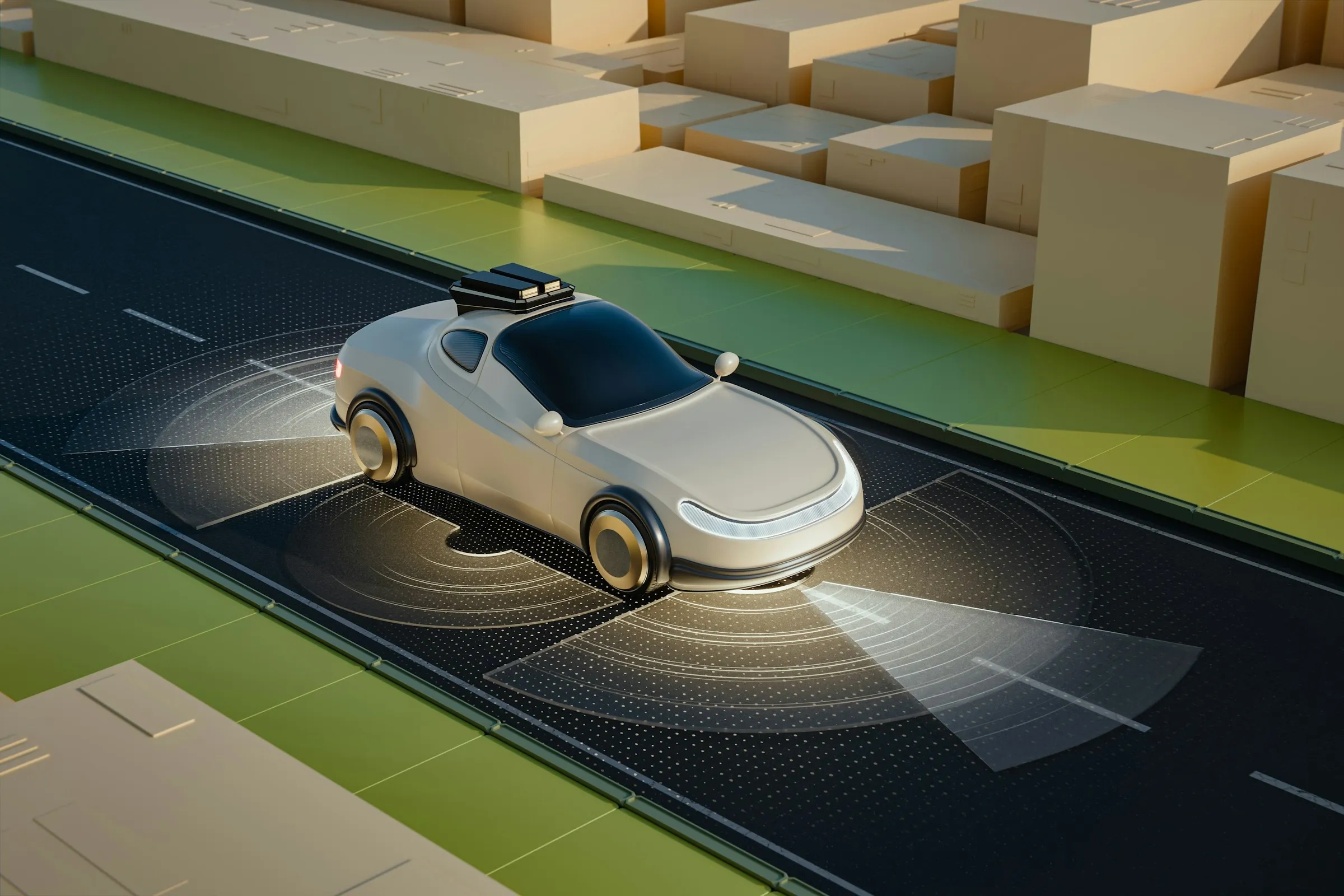
Perception systems for autonomous vehicles rely on large volumes of accurately labeled visual data. Our annotators work from your taxonomy and labeling guidelines to identify objects, road features, and other elements across different driving environments.

The work can include common road scenes as well as less predictable cases, such as unusual traffic situations, poor visibility, or objects that require specific classification rules.

Where It’s Used

Advanced Driver-Assistance Systems

AI does not always control the vehicle. Driver-assistance systems also use computer vision to detect hazards, road debris, lane departures, pedestrians, and other events that may require the driver’s attention.

For these models, annotation needs to reflect the specific events and conditions the system is designed to detect. Our team follows the definitions and examples provided for each project to keep labeling consistent across the dataset.

Where It’s Used

Retail & Physical Security

Computer vision models used for shelf monitoring, loss prevention, and store analytics depend on annotated footage that reflects real store conditions such as crowded aisles, varied lighting, and products that shift position throughout the day. Our annotators label people, products, and interactions according to your taxonomy, so models learn to distinguish routine activity from the events a system is built to flag.

Surveillance and access-control models raise a separate set of labeling questions, e.g., what counts as a relevant event, how long an anomaly must persist before it’s tagged, and how to handle occlusion. We follow the definitions your team sets for each project rather than applying a generic labeling standard.

Where It’s Used

Robotics & Warehouse Automation

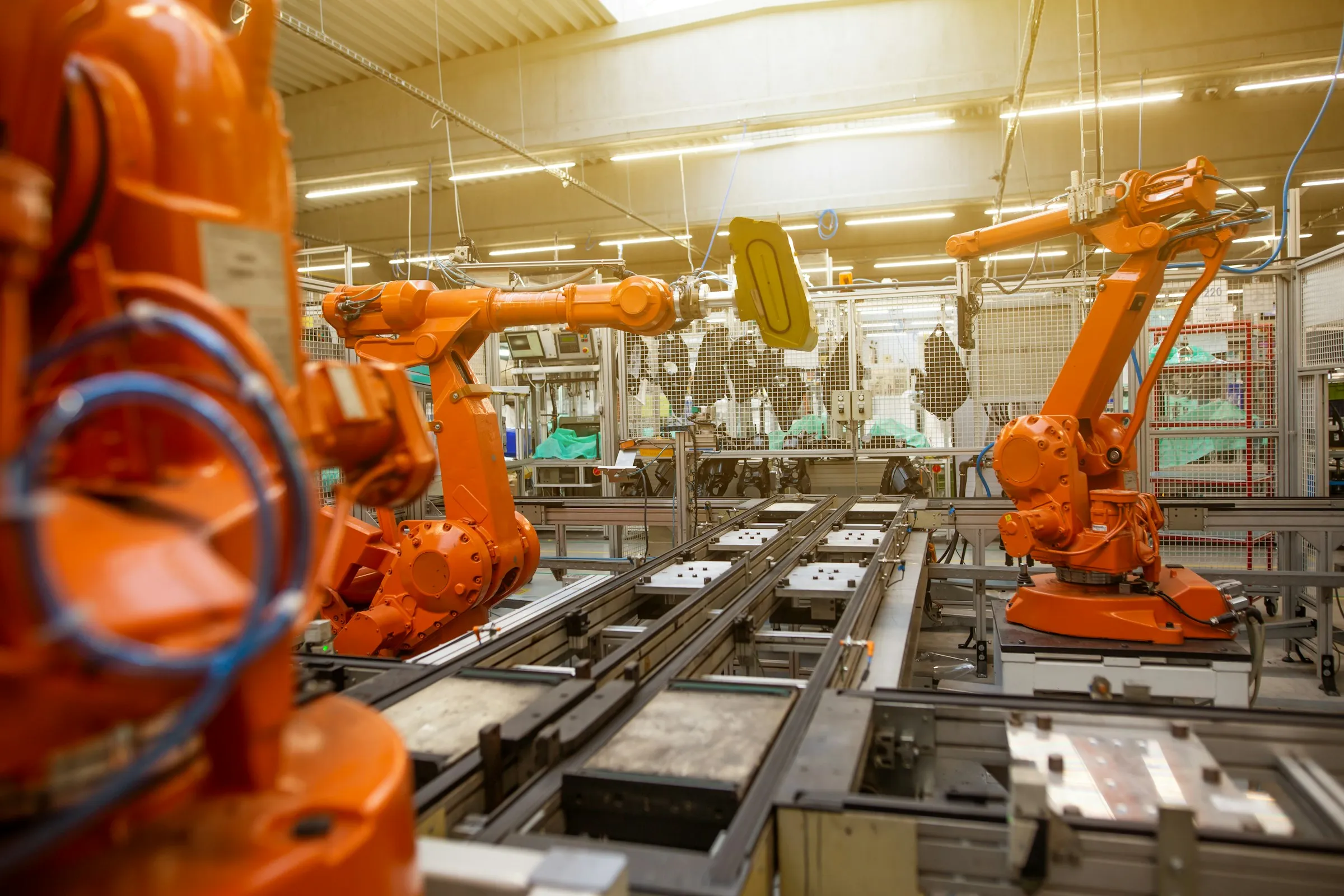
Robotic systems operating in warehouses and industrial settings need to recognize objects, obstacles, and pathways under conditions that differ from a typical driving environment, e.g., tighter spaces, stacked inventory, and equipment that moves unpredictably. Our team annotates images and video to your specifications, covering object boundaries, navigable paths, and the edge cases that come up in a working facility rather than a controlled test environment.

Where It’s Used

How It Works

1. Intake

We review your labeling guidelines, taxonomy, annotation examples, and existing labeled samples. This gives the team a clear understanding of how objects and events should be identified before annotation starts.

2. Annotation

Our data labeling specialists annotate images or video according to the agreed taxonomy and project requirements.

3. Quality Review

Completed annotations go through quality checks and review based on the requirements of the project. Depending on the workflow, this can include second-pass review, sampling, and inter-annotator agreement checks.

4. Delivery

The completed dataset is delivered in the required format and structure, ready for use in your model training or evaluation workflow.

Why Agiliway

You get a dedicated team of data labeling specialists supported by Agiliway’s broader BPO and software engineering capabilities.

Our approach is built around your annotation rules rather than a fixed labeling process. We can work with project-specific taxonomies, examples, review procedures, and quality requirements, and adjust the workflow as those requirements evolve.

Agiliway is certified to ISO 42001:2023 for AI management systems, ISO 27001:2022 for information security, and ISO 9001:2015 for quality management.

FAQ

  • What is data labeling?

    Data labeling is the process of adding labels or annotations to images, video, text, or other data so that an AI model can learn to identify specific objects, features, or events. For computer vision models, this can include marking vehicles, pedestrians, road lanes, obstacles, or hazards in images and video.

  • What data labeling services do you provide?

    Agiliway provides manual image and video annotation for AI models used in autonomous vehicles and advanced driver-assistance systems (ADAS). Services include bounding boxes, semantic and instance segmentation, lane and path annotation, object classification, event and anomaly tagging, and frame-by-frame video annotation.

  • What types of road data can be labeled?

    Vehicles, pedestrians, cyclists, road surfaces, lane boundaries, obstacles, and other road objects can be annotated based on the project’s taxonomy. The team can also label specific events and anomalies, including hazards, near-misses, lane departures, and irregular road conditions.

  • How is the quality of labeled data checked?

    Quality control follows the project’s labeling guidelines and requirements. Depending on the workflow, it can include sampling, second-pass review, and inter-annotator agreement checks. Project-specific rules can also be used to handle ambiguous cases and maintain consistency across the dataset.

  • Can you work with our existing labeling tools and data formats?

    Yes. Agiliway works with Label Studio and can adapt the annotation workflow to existing tools, labeling guidelines, and data formats. The specific workflow is agreed during project intake based on the dataset and project requirements.

Trusted By

logo-Videra
logo-Greenpeace
logo-Omilia
logo-clientsuccess
logo-DevHouse
logo-T-PRO

More Services

Data Labeling Services

Legacy Code Engineering 

AI Readiness Assessment Services 

AI Agents 

AI & ML Strategy Consulting 

Generative AI Development and Consulting Services 

Computer Vision Development Services 

AI Chatbot Development 

Machine Learning

Azure

GCP

CTO-as-a-Service

Your Trusted AWS Partner

Artificial Intelligence and Machine Learning

CRM Implementation Services

Business Process Outsourcing

Quality Assurance & Software Testing

Mobile Design & Development

Web Development

Data Analytics Services

IT Outsourcing Consulting

AI-Augmented Software Development