 EN
 UA
Silicon Valley vs. Austin: Where Should Your Tech Company Actually Build in 2026?
For years, the choice seemed obvious: if you wanted to build a serious technology company in the U.S., you went to Silicon Valley. That assumption is harder to defend in 2026. Silicon Valley still has an unmatched concentration of venture capital, AI talent, founders, and technology giants. But there are many other tech hubs in the US, and Austin is one of them. So where should a technology company actually build in 2026?
Silicon Valley: The Global Innovation Epicenter
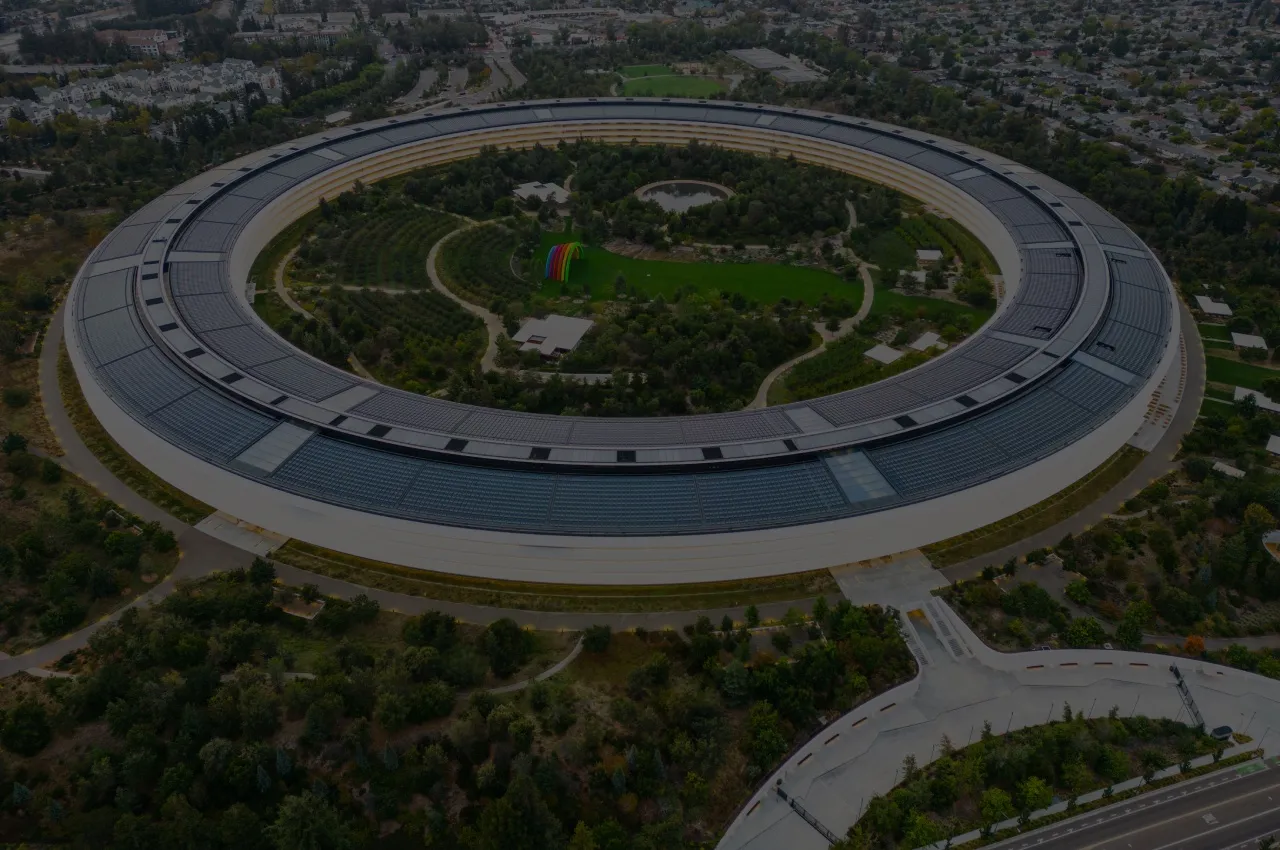
Silicon Valley, located in the southern San Francisco Bay Area, remains the world’s undisputed center of technological innovation and entrepreneurship. The region earned its name from the silicon-based semiconductors that powered early computing hardware, but has since evolved into a broader ecosystem spanning software, biotechnology, AI, and venture capital. Home to giants like Apple, Google, and Meta, Silicon Valley consistently ranks as the top startup ecosystem globally, fueled by world-class talent, abundant capital, and a deep-rooted culture of risk-taking and rapid scaling.
Stanford University and other prestigious institutions create a powerful R&D pipeline, while the density of VCs, accelerators, and serial entrepreneurs means that groundbreaking ideas can find funding and mentorship within days. This concentration of resources makes it the natural home for companies aiming to dominate categories, IPO quickly, or push the boundaries of what’s technically possible.
Austin
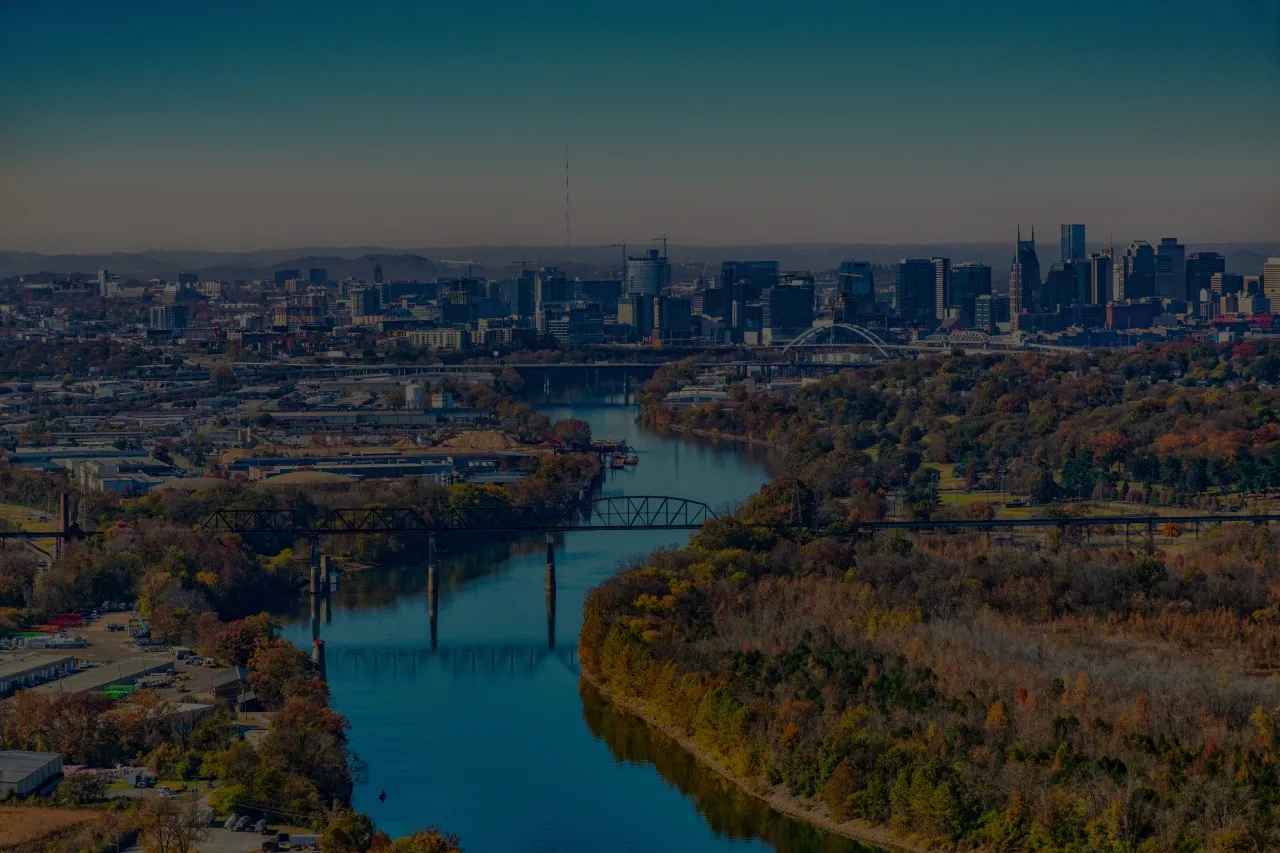
Austin, Texas, dubbed “Silicon Hills” for its rolling landscape and tech ambitions, has transformed from a promising startup hub into a mature technology powerhouse. The transformation began in the mid-1980s with Dell’s founding and accelerated as companies like Apple, Oracle, Tesla, and Samsung established major operations across the metro.
Today, Austin hosts over 5,500 startups and established tech firms, employing more than 180,000 workers and representing over 13% of the city’s workforce. The ecosystem spans enterprise software, semiconductors, AI, biotech, clean energy, and advanced manufacturing, supported by strong venture capital activity, university partnerships, and a thriving quality of life that attracts talent from across the country. Austin’s talent market is also becoming harder to dismiss. In CBRE’s 2026 tech talent ranking, Austin placed 5th among North American tech talent markets. About 63% of its tech workforce consists of software engineers, while 17% has AI-specialty skills.
Capital and Networks
Silicon Valley still leads in venture capital depth and investor networks. If your company depends on frequent fundraising, specialized deep-tech investors or connections to global technology leaders, the Bay Area offers a density that Austin cannot yet match.
The Talent Equation: Depth vs. Value
Silicon Valley still commands the deepest pool of specialized tech talent in the world. The Bay Area leads all North American markets with over 67,000 open software engineering roles, the highest demand in three years. For companies building cutting-edge AI infrastructure or needing rare expertise in machine learning and enterprise platforms, this concentration remains unmatched.
Austin, by contrast, has emerged as a high-value alternative. Average software engineer salaries in Austin run roughly 30% below San Francisco’s average. The city added 8,300 net new tech jobs in 2026 alone, concentrated in AI infrastructure, semiconductor-adjacent software, and enterprise SaaS. While Austin’s talent pool is smaller, it’s growing fast, fueled by relocations from Tesla, Oracle, and dozens of other tech employers.
Cultural Fit: Scale vs. Speed
Silicon Valley rewards companies playing for massive scale. The pressure to grow fast, raise big rounds, and dominate categories is baked into the culture. This works brilliantly for well-funded startups with clear paths to unicorn status, but can feel suffocating for companies prioritizing sustainable growth or profitability.
Austin attracts companies seeking a different pace. It reflects a tech scene that values work-life balance alongside innovation. For bootstrapped startups, remote-first companies establishing headquarters, or teams building in hardware and advanced manufacturing, this environment often proves more conducive to long-term success.
Cost and Scalability
This is where Austin’s advantage is clearest. Total compensation costs in Austin run 19% below San Francisco levels. Office space, housing, and everyday operating expenses are significantly lower. For companies planning to hire dozens or hundreds of employees over the next five years, those savings compound quickly.
Silicon Valley remains viable for small, capital-intensive teams that need proximity to investors or specialized researchers. But for companies focused on scaling engineering, product, and go-to-market teams, Austin offers a more sustainable cost structure.
The Bottom Line
Silicon Valley hasn’t lost its crown. It’s just no longer the only crown available. Silicon Valley still leads where capital and frontier AI talent matter most, while Austin offers a compelling balance of talent, growth, and cost. Companies like Agiliway, headquartered in Austin, are already building on that balance of talent and cost, serving global clients while avoiding the overhead that comes with a Bay Area address.