
 EN
EN  UA
UA 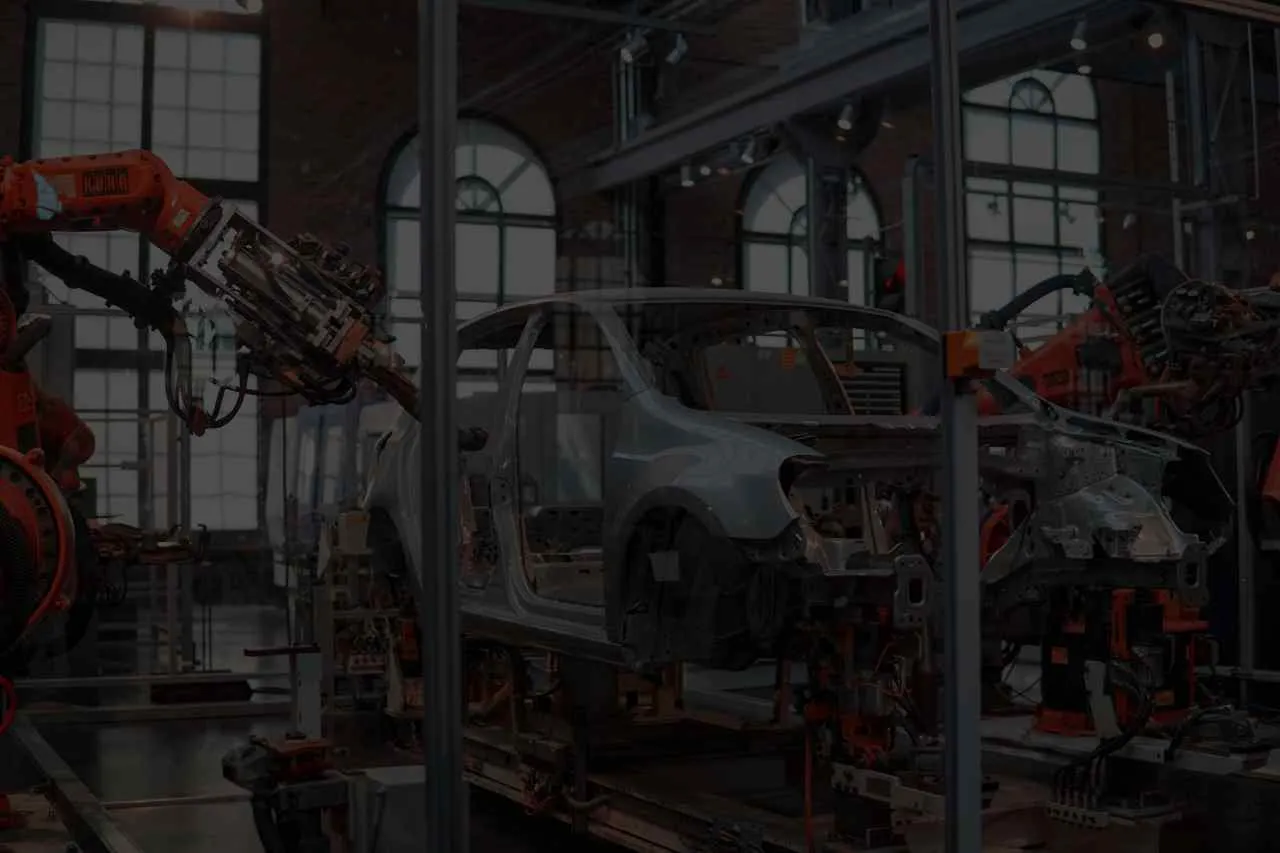
AI in Automotive: How Smart Tech Is Driving Innovation
Artificial intelligence is redefining the automotive industry from the factory floor to the driver’s seat. As vehicles grow smarter and more connected, automakers are leveraging AI as the central system that powers design, production, and performance.
The Rise of the Smart Factory
The modern production lines of the car industry are now operated, which specialists call cognitive automation. Nonetheless, the cutting-edge factories have become a hive of AI systems with the ability to analyze millions of data points each second. Such systems are able to retain their efficiency by self-optimizing production schedules, carrying out predictive maintenance, and detecting minute quality defects that are not even perceptible to human inspectors. The level of efficiency gained and waste reduced, along with the speed of delivery of the customized vehicles to customers, have been some of the major achievements.
This new paradigm extends well beyond automation. AI-based computer vision ensures weld precision, while machine learning models predict equipment failures before they happen, reducing costly downtime. Supply chains, often vulnerable to global disruptions, are becoming more adaptable as AI forecasts demand, tracks inventory, and dynamically redirects logistics. Manufacturers now operate with unprecedented visibility, resilience, and agility.
Reinventing Vehicle Design and Engineering
AI’s function is not limited to post-assembly car arrangements, but starts from the very beginning of the assembly line process. Generative AI and digital twin technology are helping engineers to simulate thousands of design variations in minutes and optimize them with regard to aerodynamics, battery efficiency, and everything else. By integrating physics-based modeling with machine learning, the automakers can test the vehicles in real-world virtual environments at the same time as the physical prototypes are still being built. This results in a reduction of development cost and shortening of time-to-market.
Design teams are also using AI to enhance sustainability. Algorithms suggest lightweight materials or alternative manufacturing methods that lower the car’s carbon footprint throughout its lifecycle. Increasingly, AI-driven innovation is steering automakers toward vehicles built for disassembly, recycling, and repurposing.
Smarter, Safer, and More Personalized Driving
The face of automotive AI for consumers is autonomy. The advanced driver-assistance systems (ADAS) are able to interpret real-time information fed by radar, cameras, and LiDAR to immediately detect obstacles, keep an eye on the traffic, and adjust the speed in the very moment. From Tesla’s Autopilot to the new BMW models that rely on the AWS infrastructure, the self-learning cars are lifting the bar for safe and responsive driving experiences.
AI not only enhances the level of autonomy but also the overall experience in the car. Voice-activated assistants apply natural language processing to not only get the passengers but also deal with navigation, entertainment, and so on. Driver monitoring systems provide additional security by detecting drowsiness or lack of attention using facial recognition, sending out warning signals, or even decelerating the car to prevent an accident.
The latest cars are turning into the most personalized products. AI learns from driver habits, such as preferred routes, climate settings, and music choices, to offer a uniquely tailored experience.
Connectivity and Edge Intelligence
The future of mobility evolution will mainly depend on edge AI. This technology allows using the vehicle’s computer power instead of faraway cloud servers. It is anticipated that this will not only cut latency but also enhance data security and support real-time decision-making even in difficult-to-connect areas. Along with the ultra-fast 5G networks, edge AI gives the chance of smooth communication between vehicles, infrastructures, pedestrians, and other cars. This scenario, describing the interaction of the vehicle with everything (V2X), is a basis for the development of automated cities in the future, where AI will coordinate the traffic, power consumption, and safety all at once.
Customer Experience and Beyond the Wheel
Behind the scenes, AI is transforming how automakers engage customers. The algorithms process huge amounts of data and predict customer behavior, and set prices ranging from marketing to after-sales services. The AI agents in the dealerships respond to questions day and night, set up testing, and give detailed advice on the car. This technology-driven personalization extends well beyond the purchase. Predictive maintenance apps notify drivers of potential issues before they escalate, while remote AI diagnostics enable service teams to fix problems virtually.
The AI is changing the game even in the automotive insurance department. Machine vision systems assess damage by examining the accident scene from still images, whereas AI-guided claims processing reduces fraud and accelerates settlements. These innovations lead the automakers and the consumers to easier communication, less resistance, and eventually trust built over time.
Challenges and The Road Ahead
Despite its promise, the AI-driven transformation of the automotive sector faces challenges. Integrating advanced technologies demands new skill sets, and many companies admit to lagging behind in readiness. Moreover, regulatory frameworks around autonomous systems and data privacy are still evolving. As cars become rolling data centers, establishing standards for security will be critical.
Still, the momentum is undeniable. Generative AI and large language models are already being used to help developers build safer, smarter, and more adaptive systems. The convergence of AI, connectivity, sustainability, and human-centered design is laying the groundwork for what’s next: vehicles that learn continuously, collaborate intelligently, and think ahead for their users.
Driving Toward an Intelligent Future
The concept of artificial intelligence has already become a significant part of the automotive industry. The smarter manufacturing and predictive logistics, adaptive driving, and personalized comfort are among the areas where AI is making a big impact. While the car manufacturers are still blending their innovations with ethical considerations, it can already be said that the next generation of mobility will be characterized by intelligence, sustainability, and a greater understanding of the drivers’ needs across the world.
Curious to learn more about AI in automotive? Contact us to book a call where we can provide the answers and insights you are looking for.