
How Agentic AI Brings Automation in Agriculture to the Next Level
Automation isn’t anything new to farming. GPS-guided tractors, sensor-based irrigation, and yield monitors have been around for years. But here’s the thing – most of these systems still need someone to set the rules and keep an eye on things. As farms get bigger and the weather gets more unpredictable, that’s becoming a real problem.
This article analyzes how agentic AI is changing that issue, what makes these AI systems different from the automation farmers already use, shows how they’re being put to work in real fields, and discusses the limits they still face.
Why Traditional Automation Reaches Its Limits
Traditional agricultural automation follows instructions set in advance. For example, if soil moisture drops below a certain level, irrigation starts, or if the calendar reaches a set date, fertilizer is applied. These systems work well in stable conditions but struggle when variables change quickly.
Agentic AI systems, however, operate differently. They observe their environment, analyze and evaluate multiple options, and decide how to act in accordance with established requirements and needs. Therefore, instead of executing a single rule, these systems manage the entire decision-making process.
For instance, an irrigation agent evaluates soil conditions, weather forecasts, crop growth stage, moisture levels, etc. Based on this information, it generates an irrigation plan for the coming days and updates it as new data arrives. This way, farmers no longer need to spend time making changes to the settings and can focus on other core tasks.
How Agricultural AI Agents Are Structured
Let’s move on with the key elements that make AI agents useful and valuable tools for advancing, in our case, the agriculture industry.
Environmental perception and data context
AI agents rely on multiple data sources, such as soil sensors, weather stations, and satellite or drone imagery. However, if we use these sources separately, due to specific limitations, it will be challenging to get a clear picture.
To address this, AI-based systems integrate all these data sources instead of looking at single data points. This copies the way experts think when they make decisions in the real world.
Decision logic and control boundaries
Most AI systems mix machine learning with hard rules. The learning part spots patterns and predicts what’s likely to happen next. The rules decide what the system can actually do about it and when it needs to call for backup. Think of it this way: the AI figures out what’s going on, but the rules keep it from doing anything you wouldn’t want.
When the system weighs its options, it looks at the potential impact, timing, and practical limits. If it runs into a situation it doesn’t recognize or that feels off, it hands the decision over to a person to check.
This setup keeps the final responsibility in human hands while clearing away the mountain of mundane, everyday decisions.
Execution through autonomous equipment
Smart machines and adjustable equipment carry out the system’s decisions. They change their settings on the fly as they work, based on what is happening around them in that moment.
When managing supplies or materials, the system can adjust flow in real time. The people in charge don’t need to step in as long as everything stays within the preset safety limits.
Where Agentic AI Is Already in Use
Practically all industries worldwide have already adopted AI to some extent. In the agriculture sector, AI agents are becoming increasingly popular as their advantages to the industry are immense. Let’s review several cases where AI has become a game-changer.
Greenhouse operations
Greenhouse operations often use AI-based systems to manage temperature, humidity, lighting, etc. Decisions are based on how the crops are actually growing and what’s possible right now, rather than just following a fixed calendar.
These setups allow you to test everything in a controlled environment before using it in real-world conditions. The major advantage is that the system remains consistent, making the same informed decisions even when its environment is constantly changing.
Livestock monitoring and feeding
Livestock agents analyze behavior using visual and sensor data. Changes in movement or feeding patterns often reveal health or welfare issues earlier than routine inspections.
Smart feeding systems adjust meals based on how much the animals eat, their health, and the quality of their food. These changes happen so often that it would be almost impossible for a person to keep up with them in a large herd.
Field crop input management
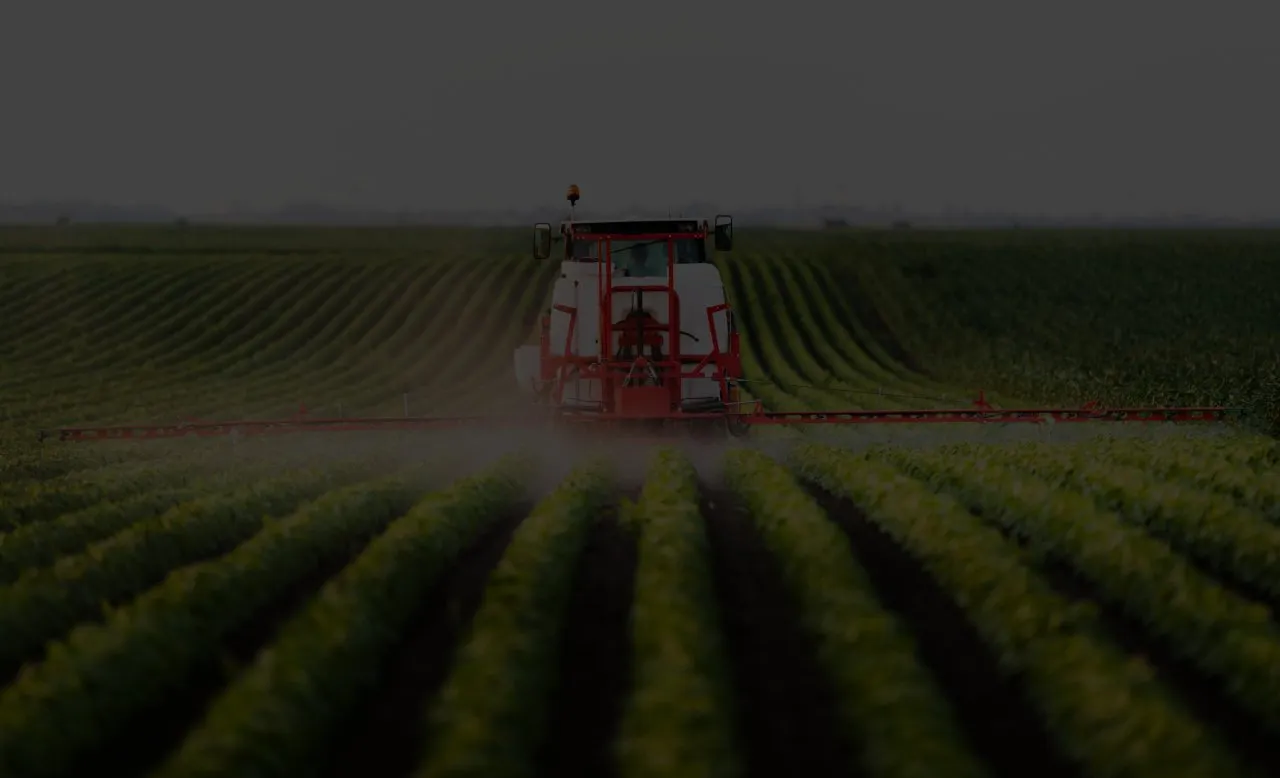
In large open fields, people typically begin using AI for a single specific task at a time. Managing fertilizer and nutrients is a common place to start. The AI analyzes photos and field data to identify differences and instructs the machines exactly how much to spray in each area.
This way, decisions are based on what is actually happening in the soil, rather than just treating the whole field the same way and hoping for the best.
Technical Limitations in Agricultural Deployments
Connectivity and system architecture
Many farms operate with limited internet access. As a result, AI-driven farm automation often relies on local processing instead of continuous cloud access.
Systems synchronize data when a connection is available and continue operating independently when it is not. This supports uninterrupted operation while allowing long-term analysis.
Environmental stress and data reliability
Outdoor conditions like dust, moisture, and temperature changes can interfere with sensors and make their data less reliable.
Smart systems handle this by checking the quality of the information they receive and looking for unusual patterns. If the data quality fails, the system triggers an alert so a person can check it or schedule a fix.
Integration with existing software
Agentic systems rarely replace farm management platforms. Instead, they integrate with existing farm management software to access historical records and operational data like yield data, soil test results, field records, etc. This context improves decision quality.
At the same time, systems record their actions and outcomes. Over time, this creates feedback loops that support gradual improvement and informed expansion of autonomous decision scope.
Organizational and Operational Impact
These systems change how work gets done on the farm. While daily repetitive tasks are automated, the role of checking and approving work becomes more important.
This change means teams need clear steps to follow and the right training. It also makes things like internet and system security a top priority for daily operations, rather than just something for the IT department. Most groups start small and expand slowly as they get used to how the system behaves.
Conclusion
AI agents help manage farms by making real-time decisions based on real-time data from the field. They follow proven farming rules reliably and can handle large-scale operations without getting tired or distracted.
For these systems to work well, they need clear boundaries and a predictable way of working that fits in with how the farm already runs. When done right, this technology acts as a practical tool for the manager rather than a replacement for their expertise.